Truth: A Brief History of Total Bullshit

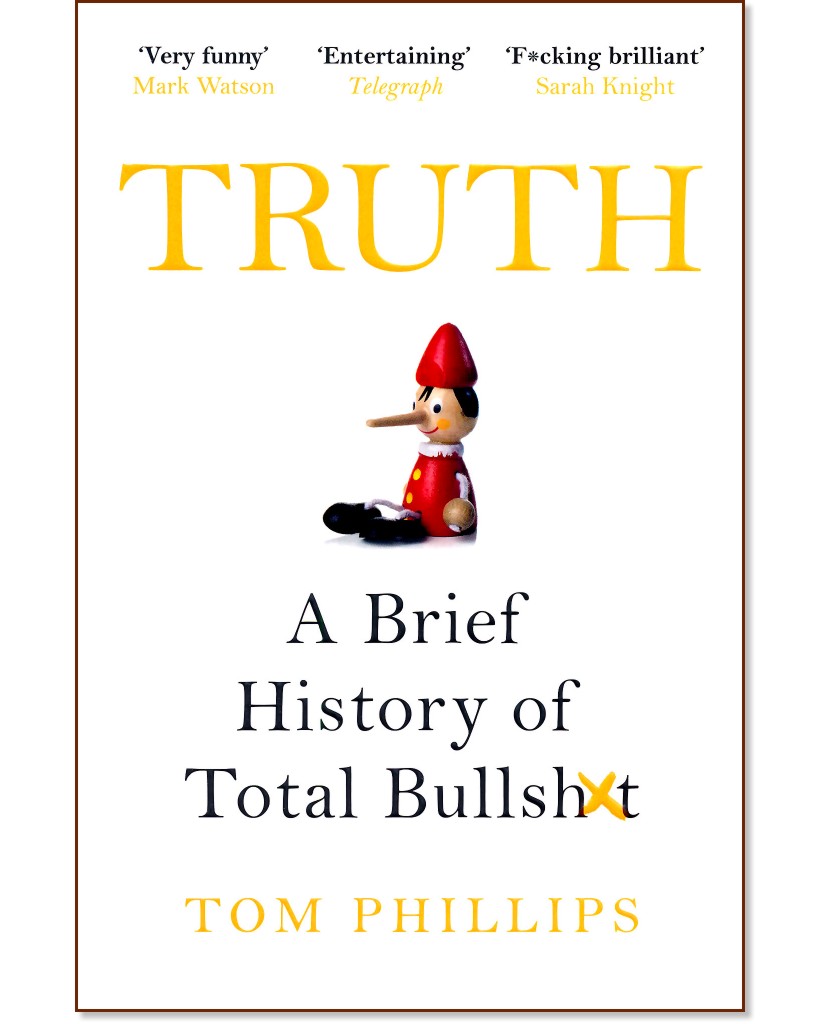
My frazzled brain has recently been unable to focus on the kinds of things I usually enjoy, so I took the opportunity to finally read a birthday gift I received earlier in the year: Truth: A Brief History of Total Bullshit. I like it and breezed through it in a couple of days, but my brain is perhaps still too frazzled to have a coherent thought about it. Let’s give it the old college try.

Author Tom Phillips (formerly of Buzzfeed UK) lays out a tasty little buffet of, well, “total bullshit.” Published in 2019, it’s very much a response to the burgeoning concern with fake news; to the extent any pop history book has a more serious agenda beyond mere entertainment, Truth serves as a reminder that people have been creating and spreading fake news forever, so let’s all take a deep breath and not panic over it.

First Phillips establishes the difference between bullshit and lies, as well as the myriad ways in which we can get things wrong or perpetuate untruths. A bit of theory, if you will. Then the rest of the book covers a wide variety of lies, grouped by topic: news and journalism, hoaxes, specious geography, con artists, politics, business, and finally mass delusions before rounding off with a conclusion about how we can get better at spotting all this.

I mentioned that Phillips was formerly of Buzzfeed UK because the kind of brisk, ironic writing (and occasional profanity) that characterizes popular Internet journalism permeates Truth from beginning to end. It had the nostalgic flavor of Cracked.com circa 2010 or so. Which is not necessarily a criticism! That was exactly the challenge level my brain was capable of at the time and I had a lovely time reading it.

Not that I would have pooh-poohed Phillips’ approach if I felt like my faculties were firing on all cylinders, either. There comes a point with non-fiction where an author has to decide what kind of book they’re going to write and why they’re interested in writing it. Who’s the target audience? What do they hope people will take from it? What’s the best way to potentially change people’s minds, or inspire them to action, or just help them learn something? My own inference is that the dizzying number of anecdotes Phillips presents is not out of a desire to trace the evolution of lying or to make a strong philosophical claim about the nature of bullshit (Harry G. Frankfurt has that covered). I think his motivation for the entire book comes through in the last chapter, with suggestions for how to become more discerning about truth and untruth.

In other words, couched though it may be in jokes and amusing anecdotes, Truth is a book-length appeal to the reader to stop and think for a minute before you share that inflammatory news story you just saw in your feed.
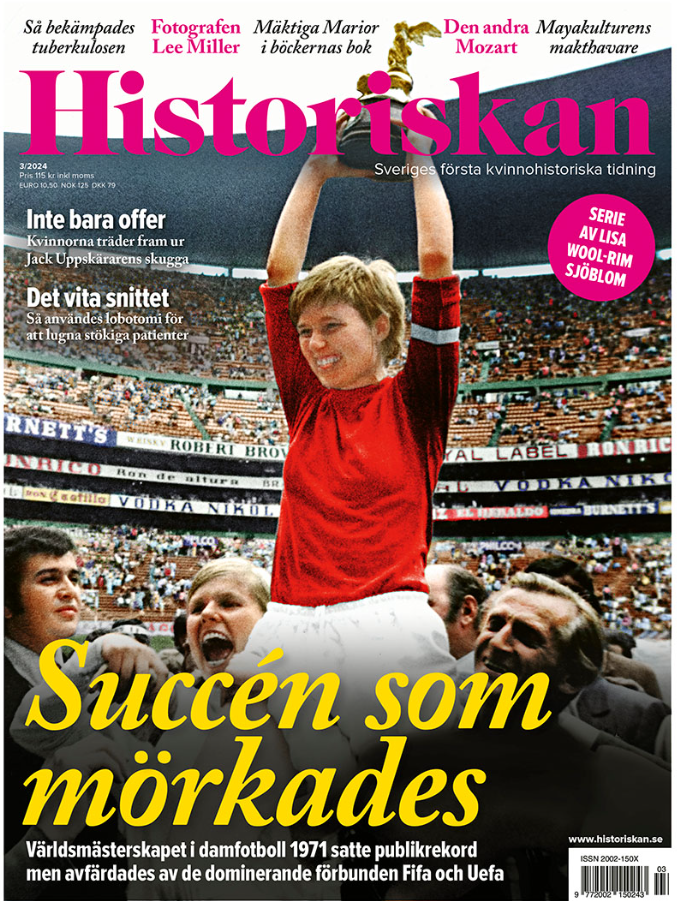
Historiskan 3/2024

Another international trip, another in-air read-through of Historiskan. Gems from this issue:

  • A brief interview with Sabrina Ebbersmeyer about the Women in the Nordic Enlightenment project (WHENCE). This was paired with little blurbs about three women philosophers in particular, but the only one I remember now is Birgitte Thott.
  • A longer article about the legacy of Jack the Ripper, which was also paired with longer blurbs about the lives of the canonical five.
  • The 1970 Women’s World Cup. I’m not an especially sporty person, but pigheaded resistance to women in sports always fascinates me. While the All-American Girls’ Baseball League eventually disbanded due to natural economic causes—declining public interest and, with it, declining profitability—the Football Gods (FIFA and UEFA) actively blocked and banned women’s games for years with a passion akin to Jock Semple trying to rip off Kathrine Switzer’s bib number. This despite a clear public interest in women’s soccer. The two women’s world tournaments organized in the 70s were therefore “unofficial” affairs hamstringed by interference from FIFA and UEFA, and even today don’t seem to enjoy official recognition.
  • Some blurbs about new or upcoming documentaries, including ones about Gunilla Bergström and Dagmar Lange.
  • A history of tuberculosis treatment in Sweden, and specifically the role of the traveling nurse who went around to educate families about care and hygiene practices. This was the work of Nationalföreningen mot tuberkulos, a non-profit organization established to fight the spread of tuberculosis in Sweden that that eventually became today’s Svensk Lungmedicinsk Förening. While a lot of the support these traveling nurses provided was about exercising power and control over the poor and working class, it also seemed to be motivated by genuine humanitarian concern. I can only assume that someone has already written a thesis comparing the work of Nationalföreningen mot tuberkulos to how the Swedish state handled Covid-19, since it seems like an obvious and juicy research topic. (Weirdly enough, the article didn’t make any such comparison at all.)
  • Revised looks at the role of women in Mayan culture and early Christianity.
  • Everything you didn’t want to know about lobotomies, which apparently remained a popular treatment option in the Nordics long after everyone else had declared them barbaric and moved on to other treatment options. Very cool! (Not actually very cool.)
  • The longer biographies in this issue included Carmen Miranda, Lee Miller, and Maria Anna Mozart.
  • A lovely illustration from Lisa Wool-Rim Sjöblom about haenyo, the women divers of Jeju.

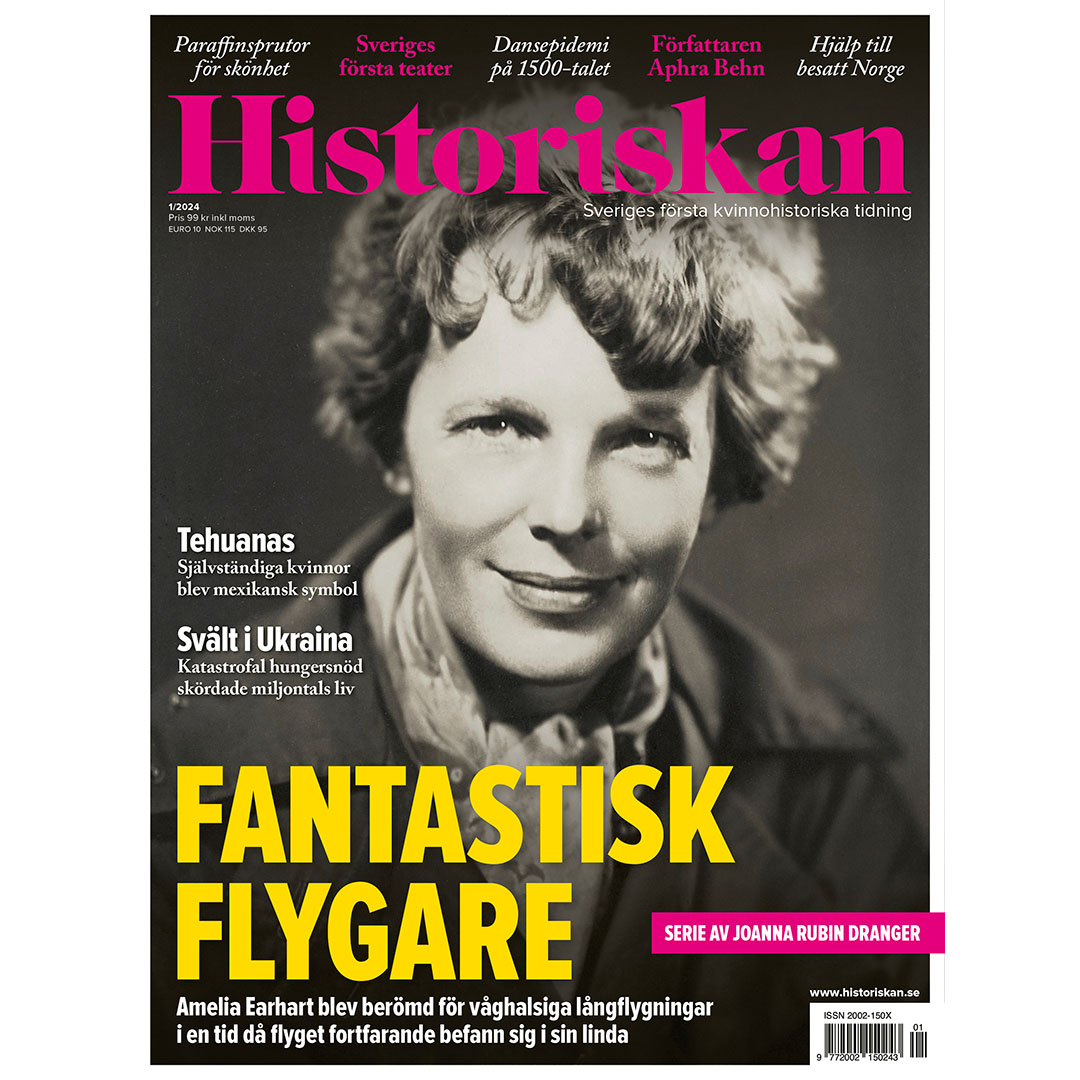
Historiskan 1/2024

My airport read ahead of my trip to the US in May. What did this issue cover?

      • An interview about a feminist history podcast, whose name now escapes me
      • A biography of Aphra Behn
      •  Svenska Norgehjälpen, Sweden’s aid project for Norway during Nazi occupation
      • Holomodor, which seems highly relevant these days
      • Tehuanas: Zapotec women from the Isthmus of Tehuantepec in Mexico who have long enjoyed a relative independence from, and equal standing with, men
      • And, on the flip side of history in the new world: a biography of Inés Suárez, conquistador
      • St. Vitus’ Dance
      • A fascinating biography of Maria Enquist, a notable “beauty expert” (and probable grifter) at the turn of the twentieth century who offered some of the first cosmetic surgery in Sweden (paraffin injections)
      • Queen Christina of Saxony, the reigning queen during the Siege of Tre Kronor
      • Sweden’s first theater, a project put together by two noblewomen but which no longer stands today because it was torn down soon after its construction
      • Brief little bios of women long-distance swimmers
      • And of course the cover story on Amelia Earhart

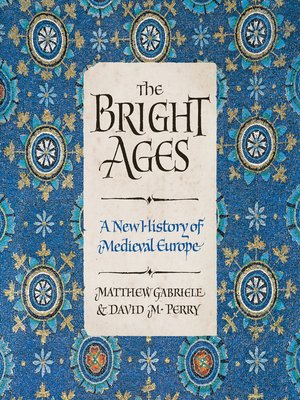
The Bright Ages: A New History of Medieval Europe

I think The Bright Ages ended up on my TBR because I saw a Swedish copy at my in-laws and thought the topic sounded interesting, especially since my knowledge of Medieval history begins and ends with the interdisciplinary unit we had in middle school. While people crack jokes all the time about the perceived uselessness of fields like Medieval studies, familiarity with the period seems like good starting point for understanding how our current economic system got to be the way it is—and I’m sure I’m not the only person with a growing interest in that particular piece of history. Plus, as authors Matthew Gabriele and David M. Perry point out in the introduction, a (historically inaccurate) popular understanding of the Middle Ages informs political ideology even today. Educating the public is therefore part of improving the health of our political dialogue.

They have their work cut out for them, no doubt. How well did they succeed?

This is another case where ebook reading no doubt hampered my comprehension, especially since I read it in bits and pieces over a relatively long period. I started it sometime before my trip to the US in May, and I finished it on a flight to London on July 30. Even though each chapter is more or less standalone, focusing on a particular event or development, such a long time in between reading sessions meant all the previous context had long since vanished into the memory hole.

But more than that, after I finished the book I struggled to articulate how The Bright Ages had shed new light on the topic (if you’ll forgive the pun). Gabriele and Perry do an excellent job of bringing in marginalized figures into the picture, and they also continually emphasize how interconnected the world was at the time: goods and therefore people traveled across incredible distances, like barefoot Christian monks traveling within the Mongol empire. At the same time, it’s hard to argue that an era was more enlightened or humane than we give it credit for when you’re simultaneously describing book burnings and religious violence. Other points it seems like the distinction was one of semantics more than anything else. Whether or not Rome actually “fell,” it still declined in political importance. Of course, it could be that I didn’t even know enough to be dangerous, as the expression goes, and therefore don’t have a deeply ingrained imagined history to be debunked.

Whatever else, the writing is also always engaging and easy to follow. Gabriele and Perry depart from the typically dry style of academic writing and take a warm, conversationalist tone. As a result, The Bright Engages is a fun and engaging read, and the fact that it took me so long to finish the book is not in any way a commentary on its quality. It’s me, I’m the problem.

The Dawn of Everything

What a doorstopper!

The reason I meticulously note (almost)* everything I read here is so that I remember reading it. I don’t know enough about the brain to know if writing about things really helps it transfer over to long-term memory, but I’ve already had the experience of completely forgetting something I said or did until I re-read a journal entry about it, so I assume the same holds true for books.

All of that to say, I don’t think I’m capable of doing The Dawn of Everything justice here. In a nutshell, David Graeber and David Wengrow look at archeological and anthropological evidence to (in their own words) “ask better questions.” The paradigm that they’re trying to upend is actually quite similar to the one that Stephen Jay Gould also sought to demolish in Full House:

The argument Gould makes in Full House is basically one against the teleological framework of evolution: that things evolve for some higher purpose, or more specifically deliberately towards complexity; that complexity is somehow the best, most special, or most desirable form of life.

(quoting my own summary there)

But instead of deconstructing a teleology with complexity as the end goal, here Graeber and Wengrow are deconstructing a teleology with agriculture and the state as an end goal; that agricultural was an instant revolution that inevitably led to an apparatus we currently call “the state,” and that the world we are living in now is more or less the inevitable end state of things. They also occasionally take the time to dunk on Yuval Noah Harari’s Sapiens and Jared Diamond’s Guns, Germs and Steel.

The whole book is something like 400, 500 pages to argue against this conclusion, and frankly I don’t have the recall or the comprehension to reconstruct it here. Like David Graeber’s Debt, I’ll have to read this one multiple times to really be able to confidently explain its premise. What I can say after one read-through is that they believe the archeological evidence points towards a history of mankind that experimented with flexible and novel arrangements of power that, even on a large scale, preserved what they call the three basic freedoms: the freedom to make promises, the freedom to disobey orders, and freedom of movement (the freedom to leave a place if the situation becomes too onerous).

There’s a lot of non-fiction that I read because I have weird niche interests, or because I ran across it at the library and it seemed interesting. There’s also non-fiction that I tackle because I want to better understand the world I live in, and The Dawn of Everything falls squarely in that category. More than that, there’s a category of non-fiction that I wish were required reading so we could start building consensus reality again and so we could maybe learn something from history. The Dawn of Everything is one of those books.

*Some are so niche and special interest that I don’t really see the point in including them here in my public record of reading. My commonplace book, as it were.

Historiskan 4/2023

Since I’ve made such a deliberate point of trying to summarize what I’ve read in the Delayed Gratification magazine that I subscribe to, I thought I would do the same for Historiskan, another periodical I subscribe to.

1. A brief essay from Cecilia Nordlund about founding Popkollo.

2. A highlight on three women—Gerda Meyerson, Maria Forsell, and Emma Anstrin—who were part of fighting for Deaf rights alongside an article about plans for a Museum of Deaf Culture that will open in 2026.

3. An interview with Eva Dahlman about her upcoming book about women photographers in Sweden from 1848 to 1968.

4. The cover story: Eva Bonde writing on basically A League of Their Own, aka the All-American Girls Professional Baseball League. Bonde points out that part of the post-war decline of the AAGPBL was the advent of television and televised games: people who enjoyed watching the sport no longer had to actually attend games, but could watch from the comfort of their homes. An interesting point I didn’t think much about before, though I also never thought much about women’s baseball in the US except with respect to, well, A League of Their Own. And it was of course segregated, so Black women weren’t included and instead played alongside men in the Negro Leagues. (I remember reading about the Negro Leagues in elementary school but not finding it all that interesting as a ten-year-old; it’s since become one of those things that I feel like I should read about now as an adult, in part because I’m more interested in baseball now than I was as a ten-year-old.)

5. A bio of author Maria Gripes by Lisbeth Håkansson Petré in honor of the centennial of her birth. The headline called her one of Sweden’s most read authors of children’s and young adult novels but I’d never even heard of her until this, so I guess that’s another cultural gap filled. A big part of the reason I subscribe to these kinds of magazines.

6. A history of political protest music in South America by Bella Stenberg. A lot of it focuses specifically on nueva canción in Chile and the women involved with the movement: Violetta Parra, Margot Loyola, Gabriela Pizarro, and Mercedes Sosa.

7. A brief biography by Karin Tegenborg Falkdalen of Kristina av Holstein-Gottorp, a queen of Sweden. Not my favorite Drottning Kristina but still an interesting read nonetheless.

8. A brief on the “tickle torturers” (les chatouilleuses) of Mayotte by Victoria Machmudov. It’s kind of wild to read about a colony rejecting independence, but maybe my brain is melted from being American. Some of the major players in the movement to break away from the rest of the Comoros archipelago and retain a connection with France were women, including Zéna M’déré. Unsurprisingly, things aren’t going great in Mayotte at the moment. Their wealth relative to their neighbors in the archipelago has led to a lot of immigration, but they’re still the poorest departement in France.

9. A look at the women in the animal rights movement by Camilla Bergvall: Lizzie Lind af Hageby, Leisa Schartau, Princess Eugénie, Elna Tenow, Ellen Börtz, Birgitta Carlsson, and Ruth Harrison.

10. Another historical biography, this time Olga of Kiev, by Charlotte Hedenstierna-Jonson.

11. A look by Pauliina Räsänen at what the circus life entailed for women at the turn of the 20th century and its role as a space of relative liberation: a break from gender norms, the ability to travel freely, being able to support one’s self (and out-earning a lot of men, at that). Too many names for me to bother listing but I thought Laura Madigan was interesting if only because of the tragedy surrounding her and her family.

12. Mette Hardenberg and her encounter with a demon, as summarized by Julia Håkansson. It’s a mildly interesting story, certainly moreso than that skeletal Wikipedia entry makes it out to be, so I’ll summarize the summary here:

Hardenberg got married off, as women tended to do back in the 1500s. Her husband published an account, in which he claims that his wife is unwilling to share the story herself but that he thinks it’s worth telling. For a period of six weeks, she was tormented by an evil spirit that beat the shit out of her if she mentioned God. Then she had a vision (in a dream?) of God, who told her to make a pilgrimage from Totterupholm to a tower in the Vallø castle. It was a trip of thirty kilometers and she went disguised as a beggar, and then at the end she had a showdown with the demon in said tower, where she won thanks to her knowledge of the Bible.

It’s hard to know what to make of the account today. The go-to explanation is that it was some kind of mental health struggle, and historians point to similar problems that had afflicted other members of her family. Others have more recently suggested that it could have been a form of marketing as a show of Hardenberg’s spiritual strength in conquering a demon—and modesty in not wanting to talk about it—that would win her esteem in the eyes of the church.

13. And finally, a longer piece by Sari Nauman on the first refugees in Sweden: from then-Swedish Latvia to Sweden proper during The Great Northern War which lasted over twenty goddamn years, what a grim thing to consider. (People were already fleeing religious persecution before The Great Northern War, of course, but the first time the Swedish word for refugee—flykting—appears in text it’s in connection with a woman fleeing Russian aggression in the Great Northern War.)

Empty Mansions

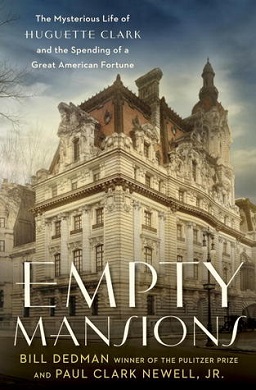
According to my arbitrary rules for the blog, I’m cheating with this pick since I haven’t finished reading Bill Dedman’s Empty Mansions yet. It’s a biography, though; there’s no shocking twist or reveal to be had in here that might cause me to revise the opinion I’ve formed so far. It’s fair game to have an opinion now, even if I’m only a third of the way in.

Back in January I got lost down an Internet rabbit hole that I am now utterly unable to recreate and ended up listening to some author talks from the Amagansett Free Library released as podcast episodes over on The Internet Archive. The episode I found was a double header with Pam Belluck and Bill Dedman, each promoting their own new (at the time) book.

Back in 2009, looking at real estate in New England prompted Bill Dedman to investigate the mystery of a very empty and very expensive mansion in New Canaan, Connecticut. Who owned it? Why were they selling it? Why was it empty? These questions led him to stupendously wealthy heiress Huguette Clark (now deceased, though still alive in 2009) and Empty Mansions is Dedman’s attempt to trace not only Clark’s life story but the historical context that shaped it.

To the extent that there is a mystery or hook in the book, Dedman resolves it fairly early on: Clark maintained the New Canaan mansion, and several other properties, as a place for the hired help to retreat to in case of unimaginable emergency. (The original mansion that sent Dedman on his quest had been purchased during the height of Cold War “Duck and Cover” paranoia, to give some context to her thinking.) I appreciate that level of honesty with readers: “I sold you this book based on a mystery but gave away the answer right away. If that’s what you wanted, you can put it down now. But I think the story behind the answer is a really fascinating one, so I hope you’ll let me tell it to you.” My words, not Dedman’s.

In the course of his research, Dedman was contacted by one of Clark’s extended family members, Paul Clark Newell, Jr., the co-writer listed on the cover (now also deceased). Newell was in frequent telephone contact with Clark in the 90s and until her death in 2011, and the book includes several excerpts from these conversations in punchy little asides: Clark recalling a particular dinner party, or a family trip to Hawaii, those sorts of things.

I’m reading an ebook copy from one of my US libraries, and the short sections make it an excellent choice for phone reading on a commute. Empty Mansions is very easy to dip in and out at a moment’s notice, the same as with The Big Balloon. That’s probably the reason that it’s the book I’ve been reading the most at the moment, to be honest. I was originally fairly ambivalent about checking it out. I felt like I had a good enough sense about what it was and who it was about just from the podcast episode. Reading the whole book—when I have over 600 books on my TBR! oof—felt like…a bit of a waste of time? Or not a waste as such, but more like a book-length treatment of the concept was unnecessary. Thanks to the podcast episode, I now knew who Huguette Clark was, so I had already gotten to the end, so to speak. I don’t know, it’s hard to explain. At any rate, every checkout is a win for your local library’s circulation numbers and therefore its funding, so in the end I figured it was at least worth it in that sense!

But Dedman also provides an account of Clark’s father, W. A. Clark, which makes for an interesting if breakneck tour of US history from the frontier days up to nearly the present day. Clark was born in 1906, when W. A. Clark was already in his sixties: he had been of age to serve in the American Civil War (though dodged the conflict by heading west to prospect).

Empty Mansions is thoroughly researched, and Dedman makes a point at the beginning to not put words in the mouth of a dead woman he had never met himself (she had passed away before the book’s publication). In that respect, it’s a stark and noteworthy contrast to A Lenape Among the Quakers, though Dedman had the incalculable advantage of abundant primary resources. That said, there’s nothing particularly earth-shattering or enlightening in here, either. Dedman doesn’t break new historical ground or propose any revolutionary new theories, and while several of the family photographs had never before been published, they’re not necessarily of historical import. At the end of the day, Empty Mansions is more entertaining than educational, but that’s what makes it such a great commute read.

A Lenape Among the Quakers: The Life of Hannah Freeman

One of the things about living abroad is that you end up feeling more like you’re from a particular place than you did when you lived at home. Maybe it has something to do with the desire to distinguish yourself from other people from the US, maybe it’s homesickness, maybe it’s a lot of things.

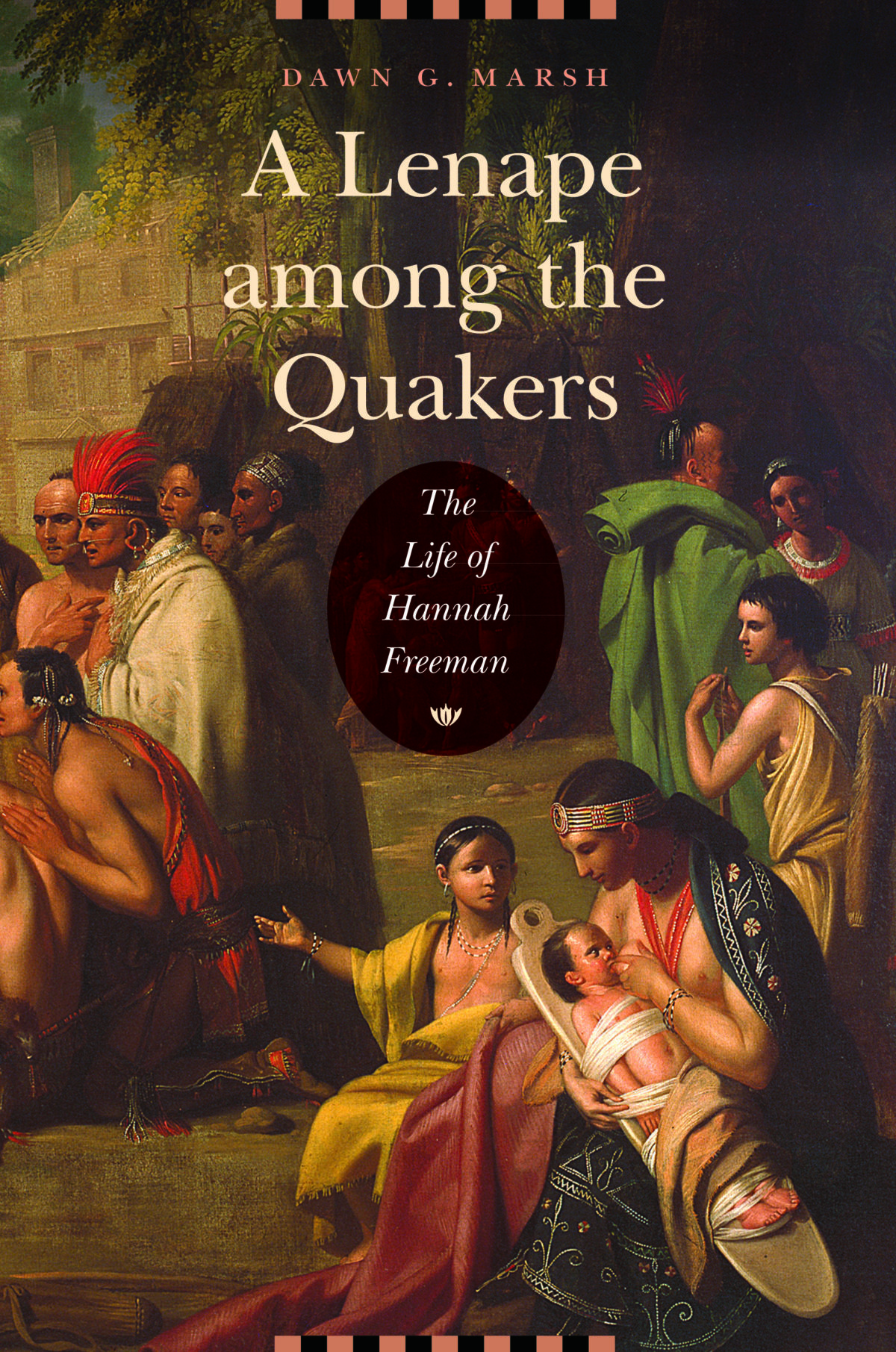
Whatever the reason, I’ve found that living in Stockholm has made me interested in filling in the gaps of my local history. The biggest gap is probably where the Lenape are concerned, so my reading started there. A reference to Hannah Freeman, or “Indian Hannah,” came up along the way and that’s how A Lenape Among the Quakers: The Life of Hannah Freeman ended up on my TBR.

The title (A Lenape Among the Quakers) and the subtitle (The Life of Hannah Freeman) pretty aptly describe the two parts and goals of the book. Author Dawn G. Marsh sketches out the events of Hannah Freeman’s life, interweaving it with the evolving (or maybe more accurately, deteriorating) relationship between Pennsylvania and the Lenape. Marsh is a professor of history at Purdue University, but the book is popular history written for a lay audience rather than a scholarly text. Still, it includes footnotes, a bibliography, and a small appendix with relevant historical documents, so there are avenues there for curious readers.

The framing device of Freeman’s life is a great way to examine standard fare Pennsylvania history from another perspective and level some well-deserved criticism. In terms of A Lenape Among the Quakers, the book is pretty solid. The benevolence and moral authority of Pennsylvania’s Quaker settlers compared to some of the other colonies is part of the commonwealth’s identity and mythos; pointing out that they weren’t cutting fair deals with their Lenape neighbors, even when William Penn was still alive, is a bitter and necessary pill to swallow.

When it comes to The Life of Hannah Freeman, however, the book deflates. In the absence of a robust historical record, Marsh hypothesizes about what life might have looked like for Freeman and speculates on how she might have thought or felt about particular events. While these suppositions are always clearly marked as such, and based in fairly reasonable historical assessment, it still feels like a stretch. On the one hand it’s important to be reminded of the human face of history, but in the absence of anything like journal accounts or other primary sources it’s pretty slim pickings. Black Tudors, which is a similar project in structure with even scantier primary sources, nonetheless engaged in far fewer creative exercises. However, Kaufmann had the advantage of ten biographies to include in the book rather than just one; there was enough material for a book without too much creative license.

And while Marsh is justified in criticizing the myth-making of Hannah Freeman by Chester County residents and Pennsylvania historians, it’s not clear that what Marsh is doing in this book is necessarily anything different. The last chapter focuses on Hannah Freeman’s memorial in Chester County and the public pomp and circumstance surrounding it in two different ceremonies (the first one in the early 1900s and the second one around a hundred years later). The memorial boulder, Marsh points out, isn’t even where Freeman is (most likely) buried. And the dedication events both times around were, let’s say, clunky.  The original ceremony had a lot of romanticizing of “the Indian,” with poetry and dramatic reenactments based on the “noble savage” stereotype; the re-dedication ceremony in 2009 included a smudging ceremony carried out by a member of the Cherokee, rather than Lenape, nation. (I don’t know enough to know whether smudging is even part of Lenape spiritual or religious practice.) Marsh criticizes both of these as events that miss the point and that flatten Hannah Freeman into a symbol to serve a myth-making narrative instead of treating her as a complex human being.

Yet Marsh herself has spent all of the rest of the book “[moving] Native American women’s history away from a narrative of loss and victimization toward a framework of resistance and adaptation.” It’s one thing to invite readers to reflect on what this moment may have meant or felt like for a human fellow traveler—it might not have value as reportage of historical fact, but it does have value in reaffirming the complex humanity of historical figures to readers who usually just think of them as names and maybe a handful of pertinent facts. It’s also one thing to recognize the biases inherent in the available historical record and seek to correct them or at least adjust for them in your interpretations. But it’s another thing to set out on a project with the goal of elevating a historical figure to a symbol of resilience and entrepreneurship. It still reads like the same symbol- and myth-making Marsh comes to condemn in the memorial dedication ceremonies.

It’s a fine line to tow, in the end. If you want to write a biography of someone like Hannah Freeman, you know from the beginning that much of the scraps of primary sources you have will be biased against your subject, maybe even outright hostile to them. On one level because of their gender, and then an additional level because of their race. As a result, these firsthand accounts need to be taken with a grain of salt. But it seems like Marsh set out to write the The Life of Hannah Freeman portion of the book to justify her own opinion rather than chronicle a life.

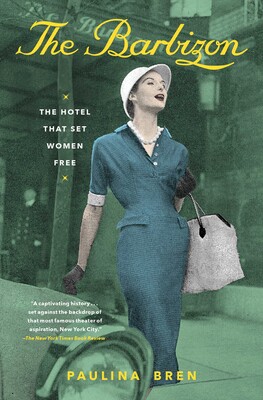
The Barbizon: The Hotel That Set Women Free

In keeping with my “one book per indie bookstore per city visited” rule for my vacation last August, when my hosts took me to Book People in Austin I stood resolute to acquire one (1) book. I went in, prepared to be ruthless and discriminating in my choices, but in the end that was unnecessary because the solution presented itself almost immediately upon our entrance. And on sale, even!

While a to-read list can quickly become a graveyard of aspirations, I still find it to be a handy filter for bookstore and library visits. If I have a vague awareness of at least some books I at one point wanted to read, then it can help narrow down my browsing. That was exactly the case when I more or less walked right into The Barbizon: The Hotel That Set Women Free.

I read an excerpt from the book during its promotional rounds on Lit Hub, and thought the excerpt and the premise of the book were both interesting. On to the TBR it went. Two years later, here I am! The downside is that while I might have knocked Barbizon off my TBR, over the course of reading the book I probably added five or six other books because so many of the illustrious personages Paulina Bren outlines in the book sound like fascinating people and writers. In that sense, writing about the Barbizon is a great framework for looking at women writers from the mid-to-late twentieth century. It would be a great idea for a literary anthology or series and I wonder why no one’s done it yet.

Barbizon is a quick read; I was able to knock it out in about a day and a half. Of course, I was on vacation with bookish friends who were happy to spend hours sitting quietly and reading, so I might be overstating how snappy the pace is. Regardless, it’s a fun and breezy look at a piece of American history I’d never known about (even though I’ve read The Bell Jar) and, as I told one half of my hosting couple, it made me happy that I live here and now instead of sixty, seventy, a hundred years ago. If you plopped me in the lobby of the Barbizon hotel back in the fifties, or if I had been a college student in the sixties applying for a Mademoiselle guest editor role, I have no doubt I would have been summarily dismissed and rejected for not being pretty enough. Nor would I have been cut out to be a homemaker or mother, which even the most talented and ambitious women who boarded at the hotel seemed to inevitably become. (And yet, with all of this freedom and free time available to me, I fritter it all away on nonsense. But that’s another issue entirely!)

If only the world weren’t on fire…!

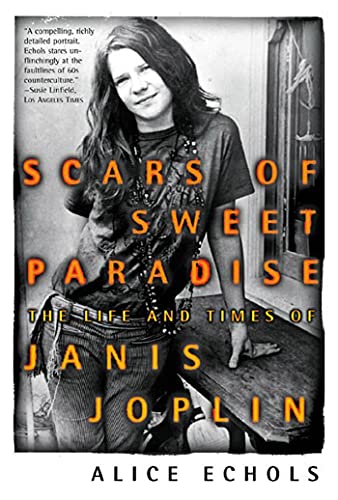
Scars of Sweet Paradise

One of my all-time favorite singers is Janis Joplin, and like any other esteemed member of The 27 Club there is no shortage of biographies on her. Out of the three in my possession, Alice EcholsScars of Sweet Paradise is my favorite for being incredibly thorough and grounding Joplin’s career in the wider social context of the times. (That said, I have vague aspirations of one day reading Janis: Her Life and Music by Holly George-Warren.) I read it once in high school and felt compelled to revisit it now.

An interesting book to read once at age 17 and again at 37. Two different sides of the 27 club.

It’s a well researched and well documented account of Joplin’s life, with numerous quotes and insights from all kinds of people who knew her, either personally or professionally. I think part of the reason she became one of my all-time favorites was because Echols’ biography immediately revealed someone who went through trials and tribulations not dissimilar from my own: either too precocious or too out of step to connect with her peers, deeply sensitive, struggling to escape the black hole of beauty standards. There was a lot for a teenager in the early 2000s to recognize in teenager life 40-odd years ago. Plus ça change.

There is very little editorializing from Echols, who treads a reasonable middle ground between often polarized camps: Janis as queer icon, Janis as feminist, Janis as promoting, purveying or appropriating Black culture. There’s also enough history and context presented that anyone interested in the fifties and sixties as historical periods would find a lot of value in it (though Echols’ subsequent general history books, such as Shaky Ground or Daring to be Bad, might be an even better bet). Certainly not a must-read biography for the general public but for anyone with the interest, it’s fantastic.